How Far Your Home Budget Goes In Hood County
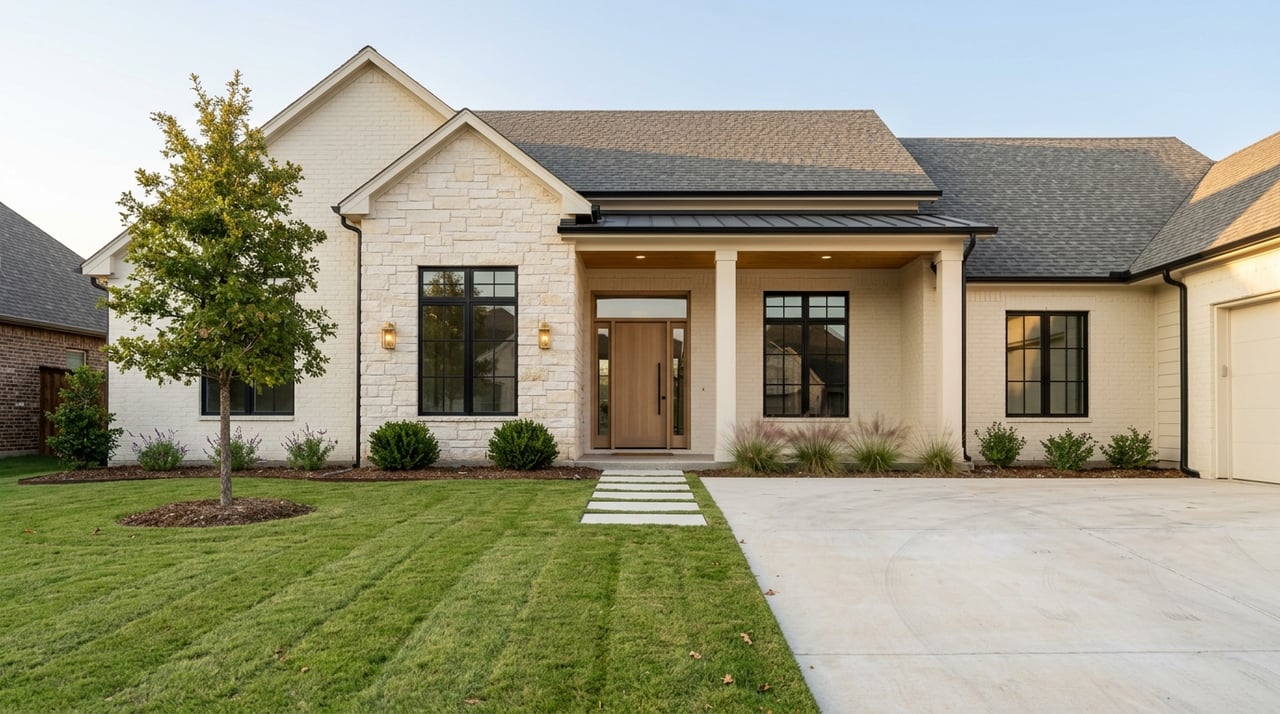
If you are wondering whether Hood County gives you more home for your money, the answer is a little more nuanced than a simple yes or no. This is not the lowest-price option in the Fort Worth-Arlington area, but it often offers something many buyers care about just as much: more space, more land options, and a different overall setting. If you want to understand what your budget can realistically buy here and what tradeoffs come with it, this guide will walk you through it. Let’s dive in.
Hood County has grown from 61,598 residents in 2020 to an estimated 69,126 in 2024. It covers 420.7 square miles, which helps explain why the area often feels less dense than closer-in parts of the region.
The county’s median household income is $87,411, and the median age is 45.4. For housing, Census Reporter shows a median owner-occupied home value of $375,400, while Zillow’s typical home value is $380,856.
Current market activity also shows buyers have options to explore. Zillow reports 751 homes for sale and 188 new listings, which points to an active market with meaningful inventory.
If your goal is simply to find the cheapest home base near Fort Worth, Hood County may not be your first stop. Zillow data shows Hood County’s typical home value is about $41,000 higher than Burleson, about $56,000 higher than Tarrant County, and about $80,000 higher than Fort Worth.
That said, price is only part of the story. In Hood County, buyers are often paying for a different type of opportunity, including lower-density surroundings, broader land choices, and access to lake-oriented living.
This is why your budget may feel like it goes farther here, even when the sticker price is not the lowest in the region. The value is often tied to setting and flexibility, not just raw square footage.
Hood County is active, but it is not moving as quickly as some nearby markets. Zillow reports a median sale price of $377,467, a median list price of $407,965, a sale-to-list ratio of 0.978, and a median 41 days to pending.
For buyers, that can create a little more breathing room. You may have more time to compare options, think through tradeoffs, and avoid the pressure that can come with a much faster market.
For sellers, it means pricing and presentation still matter. A well-prepared home can stand out, but the market may not reward overpricing just because inventory exists.
In many markets, the $300,000 to $400,000 range can feel tight. In Hood County, that range still includes detached homes, which is a meaningful point for buyers who want more than an entry-level footprint.
Current Granbury examples include a 4-bedroom, 2-bath home with 1,750 square feet listed at $299,900. Another example is a 3-bedroom, 3-bath home with 1,884 square feet listed at $370,000.
Those numbers show that a mid-range budget can still open the door to traditional single-family homes. The bigger distinction, though, is often where and how you want to live rather than whether you can find a certain bedroom count.
At similar price points, buyers can also find competitive interiors in places like Burleson and Fort Worth. Research examples show a 2,259-square-foot home in Burleson at $359,900 and Fort Worth homes around 1,900 to 2,120 square feet in the $370,000 to $390,000 range.
So what makes Hood County different? Often, it is not dramatic square footage gains. It is the chance to buy into a setting that may include more separation between homes, different lot types, or stronger access to land and lake-oriented neighborhoods.
If you are comparing homes across county lines, this is where a side-by-side strategy matters. The best fit depends on whether you care most about commute efficiency, house size, land, or lifestyle setting.
As your budget moves into the upper-midrange, Hood County opens up even more variety. Current Granbury inventory includes a 3-bedroom, 3-bath home with 2,524 square feet listed at $515,000.
At this price point, some buyers will lean toward a higher-end existing home. Others may shift focus toward land, custom-building potential, or a property with a more distinct location.
That flexibility is a key part of Hood County’s appeal. You are not limited to one standard housing type when your budget grows.
One of the clearest ways your budget can go farther in Hood County is through land access. Zillow currently shows 501 land listings in the county, compared with 69 in Burleson and 279 in Fort Worth.
That is a major difference in available choice. Current examples range from lots around 4,835 square feet and 0.25 acres to tracts above 12 acres.
For buyers who want room to spread out, future building options, or a property that feels less tied to a standard subdivision pattern, this inventory matters. It gives you more ways to match your budget to your long-term plans.
Lake Granbury is a real factor in how home values vary across Hood County. The Texas Water Development Board places Lake Granbury in Hood County on the Brazos River, and the City of Granbury identifies public use areas around the lake.
This matters because lake access, proximity, and neighborhood choice can shift home pricing in a big way. Hood County is not a one-price market.
Zillow neighborhood values in Granbury range from about $232,332 in Western Hills Harbor and $244,119 in Comanche Harbor to about $578,848 in Harbor Lakes, $798,277 in Water’s Edge, and just over $1.0 million in Catalina Bay. That spread shows how much location and property setting can affect what your budget buys.
More space and more land often come with one clear tradeoff: convenience. Census Reporter shows a mean travel time to work of 32.8 minutes in Hood County, compared with 30.3 minutes in Burleson, 28 minutes in Fort Worth, and 26.8 minutes in Tarrant County.
That does not mean Hood County is the wrong choice. It simply means the value equation is different.
If you want a more exurban footprint, the commute may feel worth it. If you need quicker access to Fort Worth-area job centers, daily errands, or a shorter drive pattern, a closer-in suburb may still be the better fit.
When you are building a home budget, purchase price is only one piece of the puzzle. Texas does not have a state property tax, so your monthly ownership costs depend on local taxing units and the specific property you choose.
Hood County buyers should verify parcel-specific rates through local appraisal and tax offices. Hood CAD publishes adopted tax rates and truth-in-taxation materials, which can help you look beyond list price and understand the full monthly picture.
This step is especially important when you are comparing a home, a lot, or acreage. Two properties at a similar price can still feel very different once local costs are factored in.
Hood County tends to shine for buyers who want space-and-setting value. If you are looking for more land, more lake-oriented options, or a less dense feel, your budget may open doors here that are harder to find in closer-in suburban markets.
If your top priorities are the shortest possible commute and the lowest regional pricing, you may find better efficiency elsewhere. But if you care about flexibility, lot variety, and an exurban lifestyle, Hood County deserves a serious look.
The best move is to compare your budget based on how you actually want to live, not just the price tag alone. If you want help weighing homes, lots, and location tradeoffs across Hood County and nearby markets, connect with Michelle Martin for local guidance tailored to your goals.
Stay up to date on the latest real estate trends.
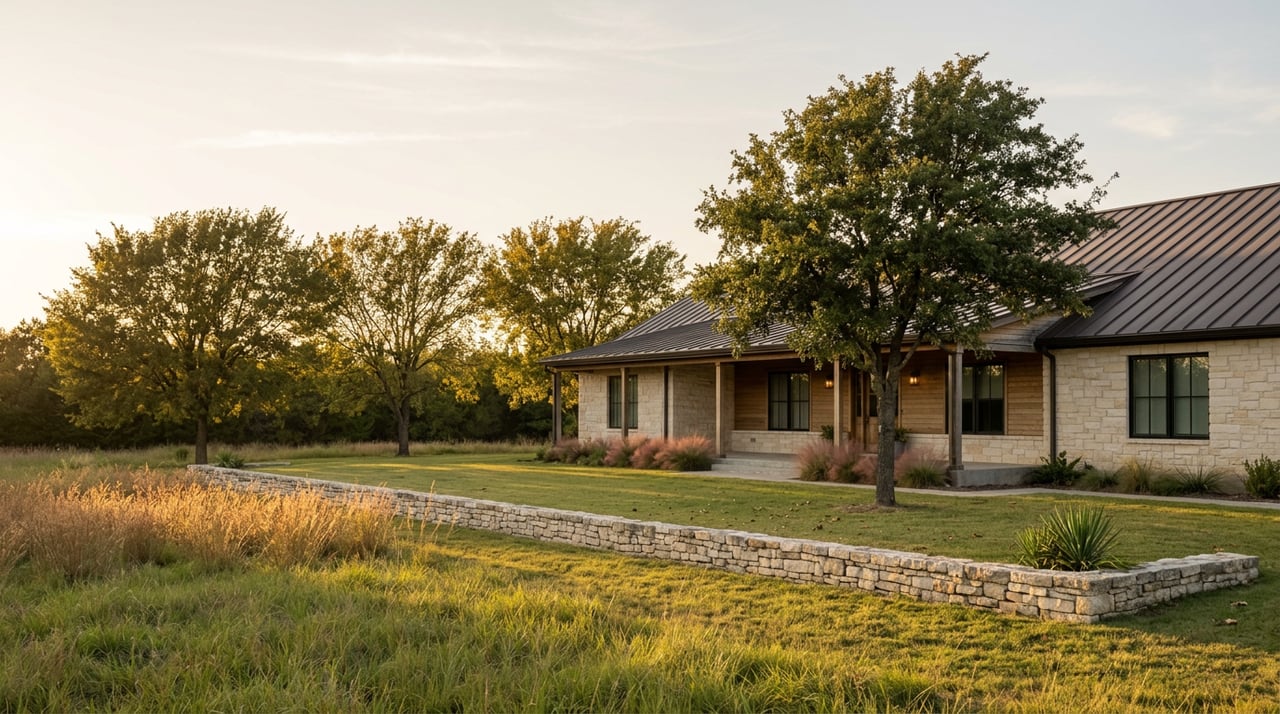
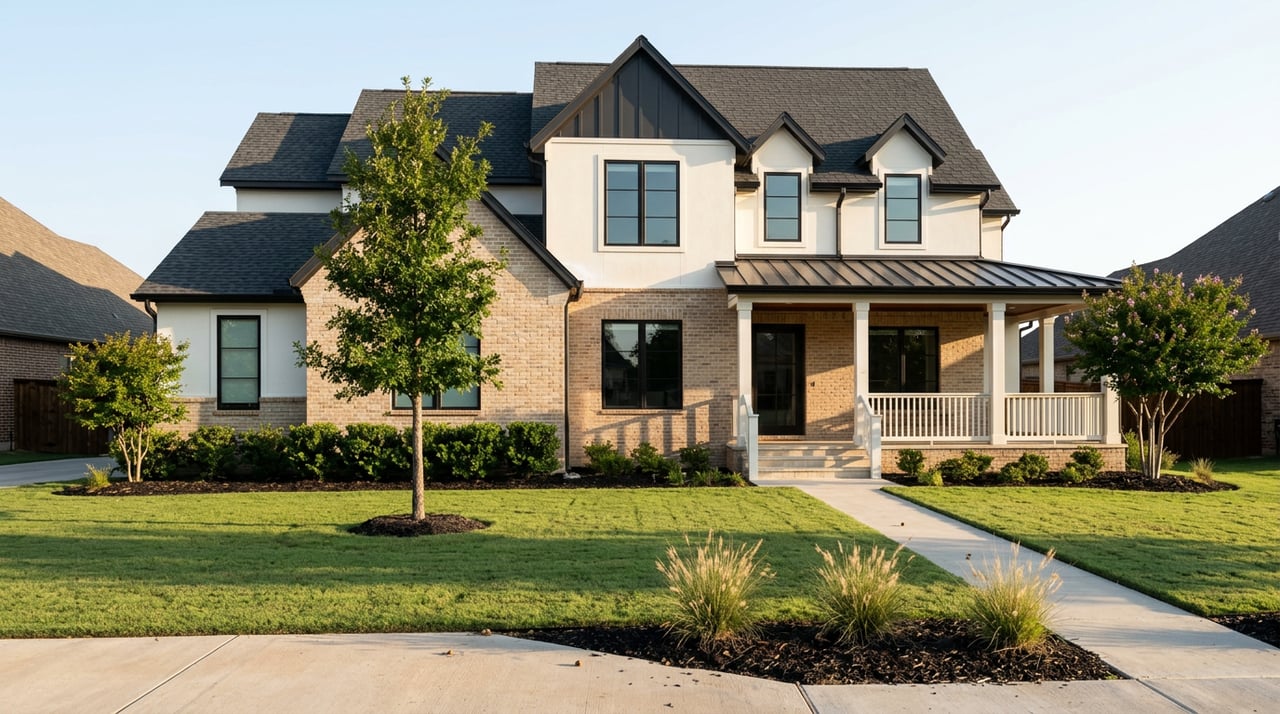
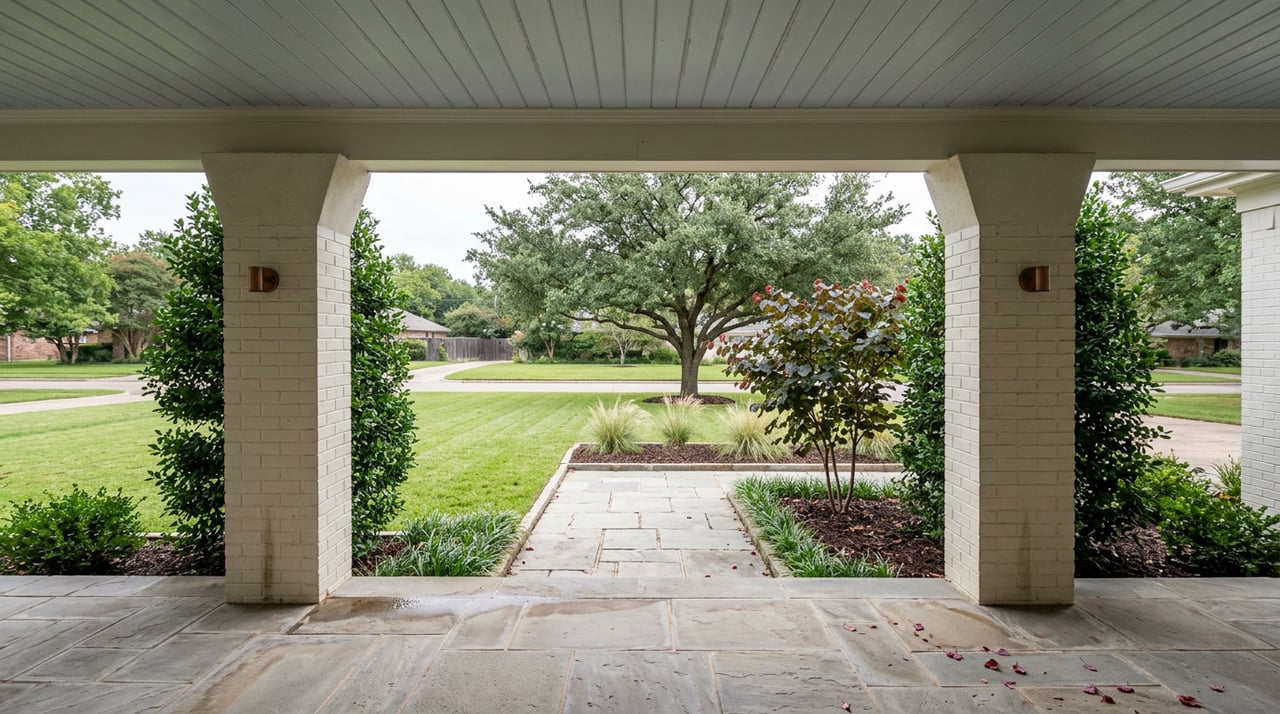
For more than 30 years we have dedicated 150% to providing exceptional customer service with great care, diligence, and compassion. One of our main goals is to make your process as enjoyable and seamless as possible.