Parker County Horse Properties Guide: What Buyers Should Know
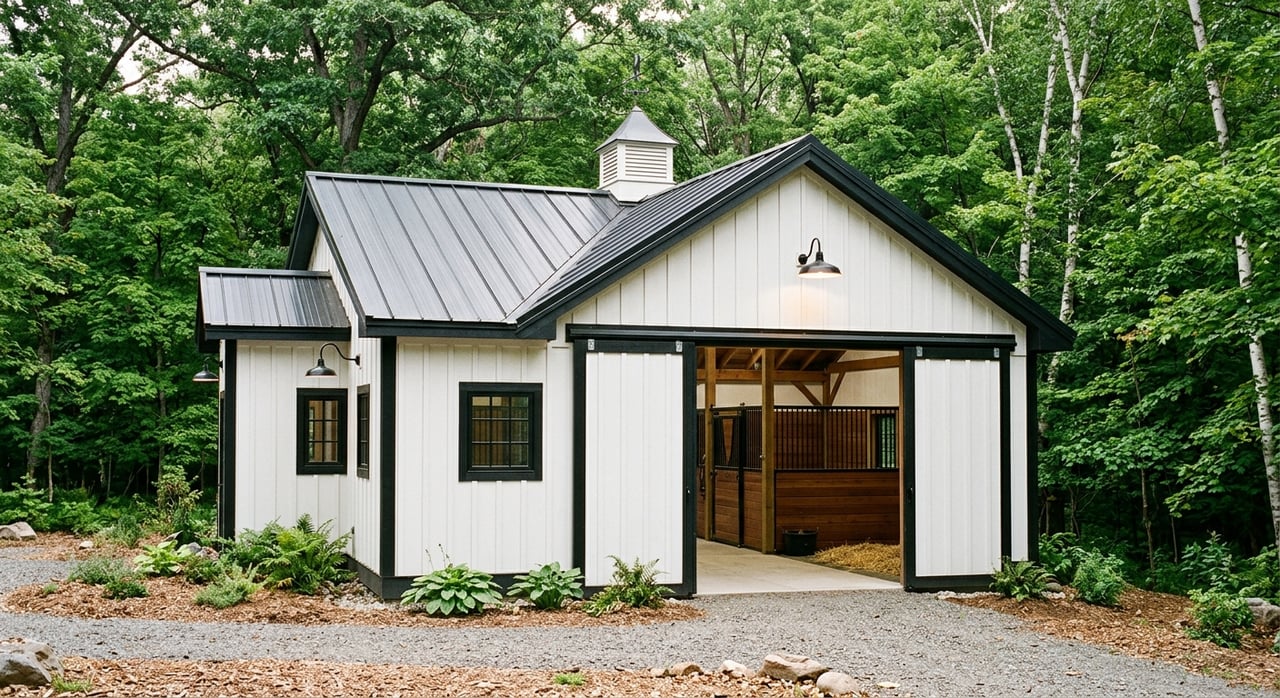
If you are dreaming about a horse-friendly property in Parker County, it is easy to focus on acreage first and details second. But in this part of North Texas, the best horse property is not always the biggest one. What really matters is how the land works for your day-to-day plans, what rules apply to the address, and whether the setup fits the kind of horse life you actually want. Let’s dive in.
Parker County has a strong equestrian identity that draws buyers who want more than a house with extra land. Weatherford, the county seat, is about 30 miles west of Fort Worth and describes itself as the cutting horse capital of the world. The city also notes that it has kept much of its rural lifestyle even as the broader metro area has grown.
That mix creates a unique buying landscape. You can find properties that feel connected to Fort Worth and Arlington while still offering rural acreage, ranchettes, and room for horses. For many buyers, that balance is a big part of Parker County’s appeal.
Public riding access also adds to the lifestyle. The Lake Mineral Wells Trailway runs through central Parker County and is open to horseback riders, with trailheads that include paved parking, drinking water, restrooms, and trail information. Palo Pinto Mountains State Park adds 16 miles of multiuse trails plus equestrian day-use amenities like hitching rails, wash space, hookups, corrals, and a watering tub.
When you shop for horse property, raw acreage only tells part of the story. A tract may look great on paper but still create daily challenges if the layout does not support your goals. That is why usable land matters more than the number of acres alone.
Start by looking at how the property functions. Think about pasture layout, turnout space, barn placement, trailer maneuvering, drainage, fence lines, and whether there is room for future features like a round pen or arena. A property that works well on the ground can be more practical than a larger one with awkward access or poor layout.
In Parker County, this point matters even more because local conditions can affect what is realistic. Road access, drainage patterns, and utility setbacks can all shape where you can place improvements and how easy the property will be to use. Before you fall in love with a view, make sure the land supports the horse setup you want.
One of the most important questions is whether the property sits inside Weatherford city limits or in unincorporated Parker County. Two properties can look similar and still fall under different rules based on the address. That can affect how you plan for barns, additions, and future improvements.
Weatherford says parcels inside city limits have a specific zoning district. The city’s Agriculture district is intended for existing country living and open areas suited to agricultural pursuits. So a property may feel rural while still being subject to city zoning.
In unincorporated Parker County, the county says there are no zoning requirements. That does not mean there are no issues to review. Instead, the important county-level questions shift to septic, floodplain, stormwater, and county road right-of-way.
For horse buyers in unincorporated Parker County, some of the biggest deal points are practical rather than cosmetic. The county says it regulates on-site sewage facilities and development in special flood hazard areas. Those items can directly affect where you place a barn, arena, driveway, or other improvements.
The county also says its right-of-way rules prohibit fences, landscaping, and private signs within county road right-of-way. That matters if you are planning entry features, fencing near the road, or trailer access points. A setup that looks simple at first glance may need a closer review once you factor in these limits.
Drainage is another issue worth careful attention. Even a beautiful tract can become frustrating if water flow creates muddy turnout areas, limits barn placement, or affects pasture use. On horse property, everyday function often matters more than curb appeal.
Horse properties often come with a mix of improvements, and not all of them carry the same level of certainty. You may see barns, tack rooms, guest quarters, additions, loafing sheds, or workshop spaces that add value to the listing. Still, it is smart to verify how those structures fit the property’s location and intended use.
Parker County says it does not issue building permits or certificates of occupancy, though some commercial or multifamily projects may require fire and life safety review and a Certificate of Compliance. For buyers, the takeaway is simple: confirm what was built, when it was built, and what approvals may have applied in that jurisdiction.
This is especially important when a property is inside a city rather than in the unincorporated county. The same improvement may be viewed differently depending on where the property sits. Doing this homework early can help you avoid surprises after closing.
Horse-friendly does not always mean agriculture-qualified. In Texas, agricultural and open-space appraisal is based on productivity value rather than market value. According to the Texas Comptroller, land must be principally devoted to agriculture, meet the local degree-of-intensity standard, and generally have been used for agriculture for five of the past seven years.
If the use changes, a rollback tax can apply for the prior three years. That means a buyer should not assume a property’s current tax treatment will continue automatically. It is important to verify the land’s actual use and status before you close.
The Comptroller also gives specific guidance on horse-related uses. Merely owning a horse does not qualify a person for an Ag/Timber Number. Breeding and selling horses in the regular course of business can qualify, while horse boarding, riding lessons, and trail rides do not.
That distinction matters in Parker County, where many buyers want land for personal horse use rather than a horse business. A property can still be a great fit for your lifestyle even if it does not qualify for every agricultural tax benefit. The key is knowing that upfront.
If the property depends on a private well, water planning should be part of your due diligence. Parker County provides county residents with contact information for the Upper Trinity Groundwater Conservation District. On larger acreage, water supply can be a major part of the property’s long-term value and usability.
For buyers who may keep livestock along with horses, county-level details matter here too. Parker County maintains a brand registration system and brand book. The county’s animal-control division also handles estray livestock in unincorporated areas.
These are not the first details most buyers think about, but they can become important quickly on a working tract or mixed-use property. If you plan to operate beyond simple residential horse keeping, it helps to understand that local framework before you move in.
A horse property purchase usually goes more smoothly when you ask focused questions early. In Parker County, these are some of the most useful ones to bring into your search:
These questions can help you compare properties more clearly. They also make it easier to separate a scenic tract from one that truly supports your plans.
The best horse-friendly property in Parker County is the one that fits how you plan to live and use the land. Some buyers want a home base for one or two personal horses. Others want room for trailers, barns, turnout, and a more active equestrian setup.
That is why your search should stay grounded in your actual needs. A property near Weatherford may offer strong lifestyle appeal thanks to the county’s equestrian culture and nearby riding access, but the right fit still comes down to location, layout, improvements, and local rules.
If you want help sorting through acreage, ranchettes, or horse-friendly homes in Parker County, working with a local team can save time and reduce guesswork. Michelle Martin can help you compare properties with your day-to-day goals in mind and guide you toward a purchase that fits both your lifestyle and your plans.
Stay up to date on the latest real estate trends.
For more than 30 years we have dedicated 150% to providing exceptional customer service with great care, diligence, and compassion. One of our main goals is to make your process as enjoyable and seamless as possible.