Tarrant County, Texas — Community Overview
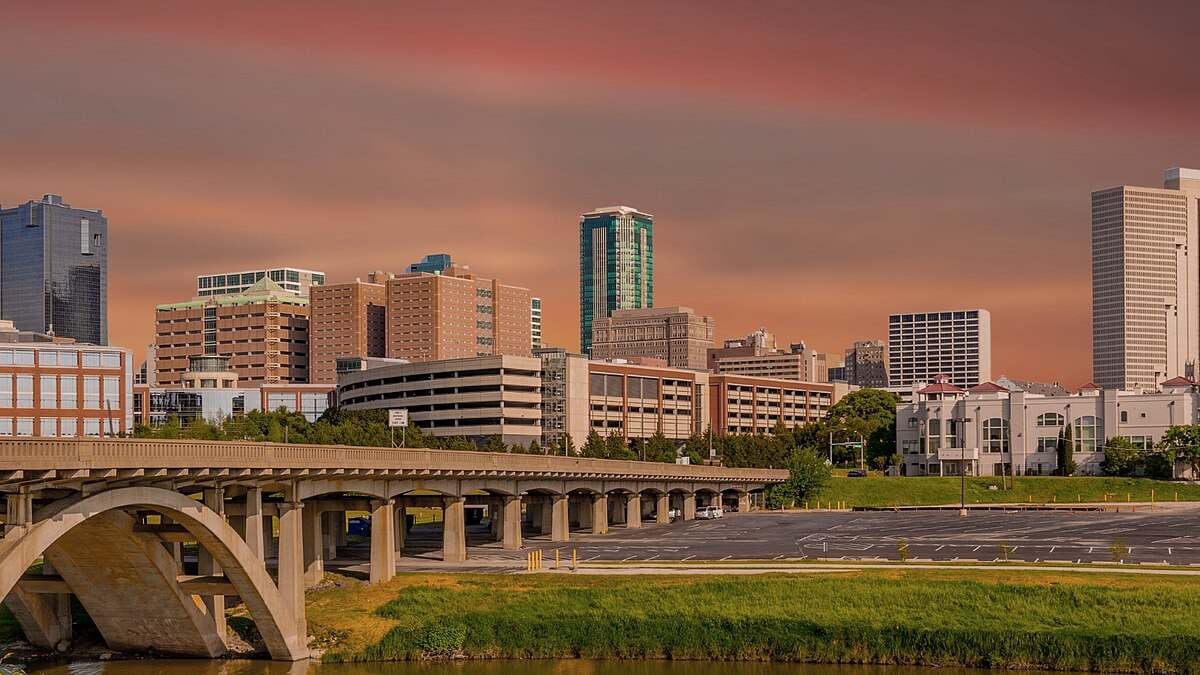
Tarrant County, Texas is one of the most dynamic and diverse regions in North Texas, offering an exceptional blend of urban energy, suburban comfort, and family-friendly communities. Anchored by the vibrant city of Fort Worth and located within the heart of the Dallas–Fort Worth Metroplex, Tarrant County provides residents with access to world-class amenities, strong job markets, and a wide range of lifestyle options.
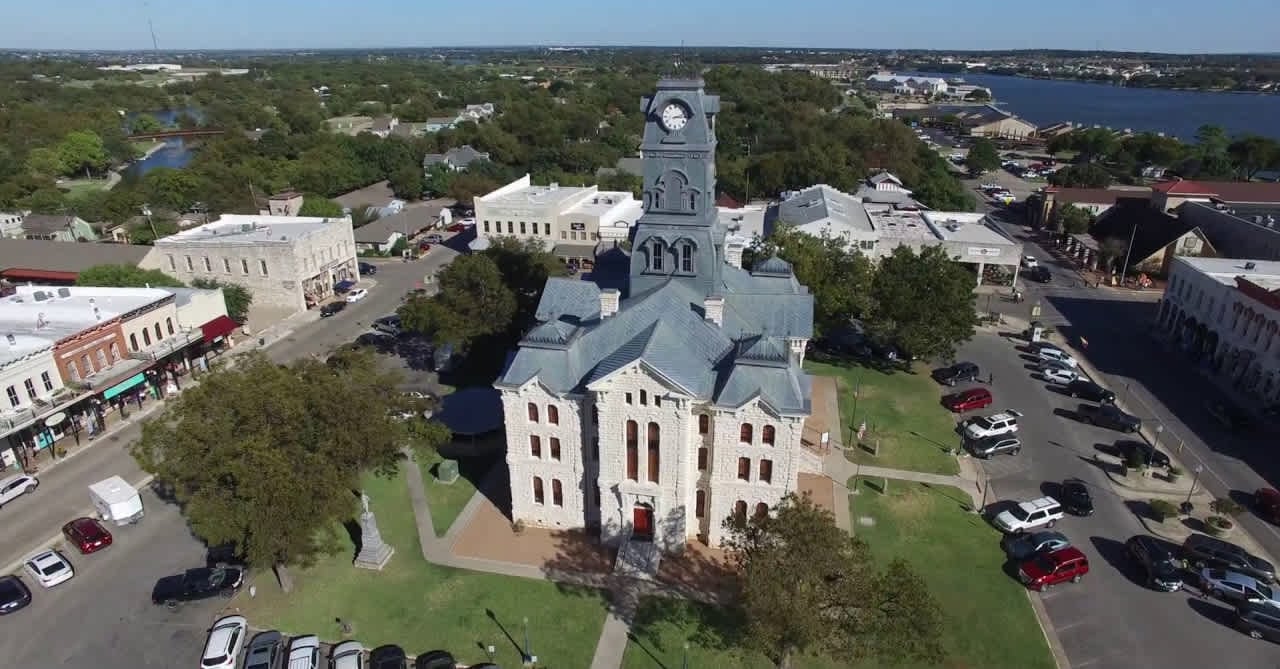
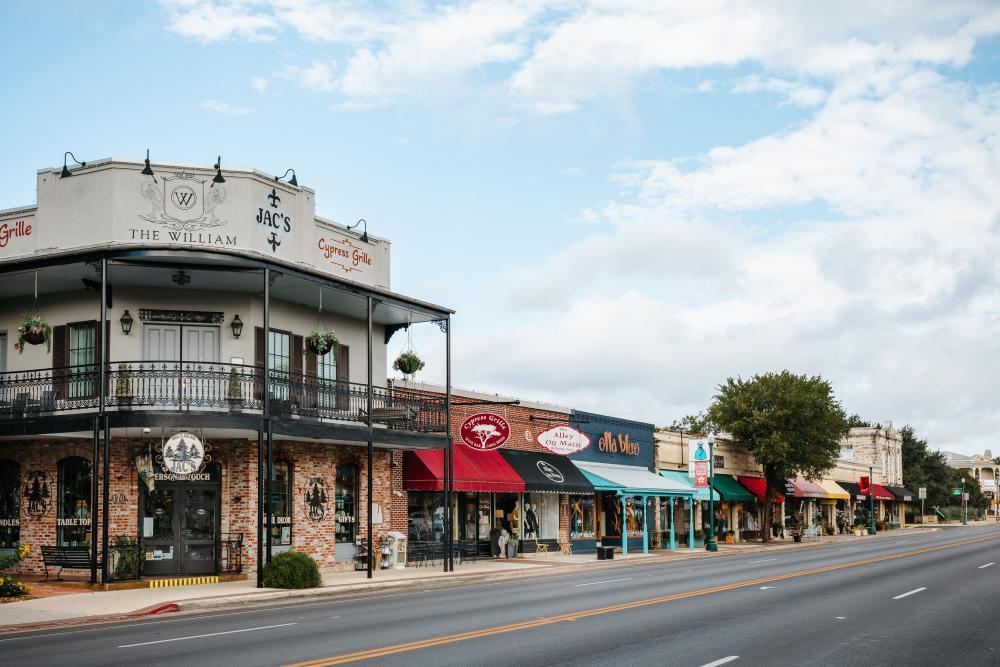
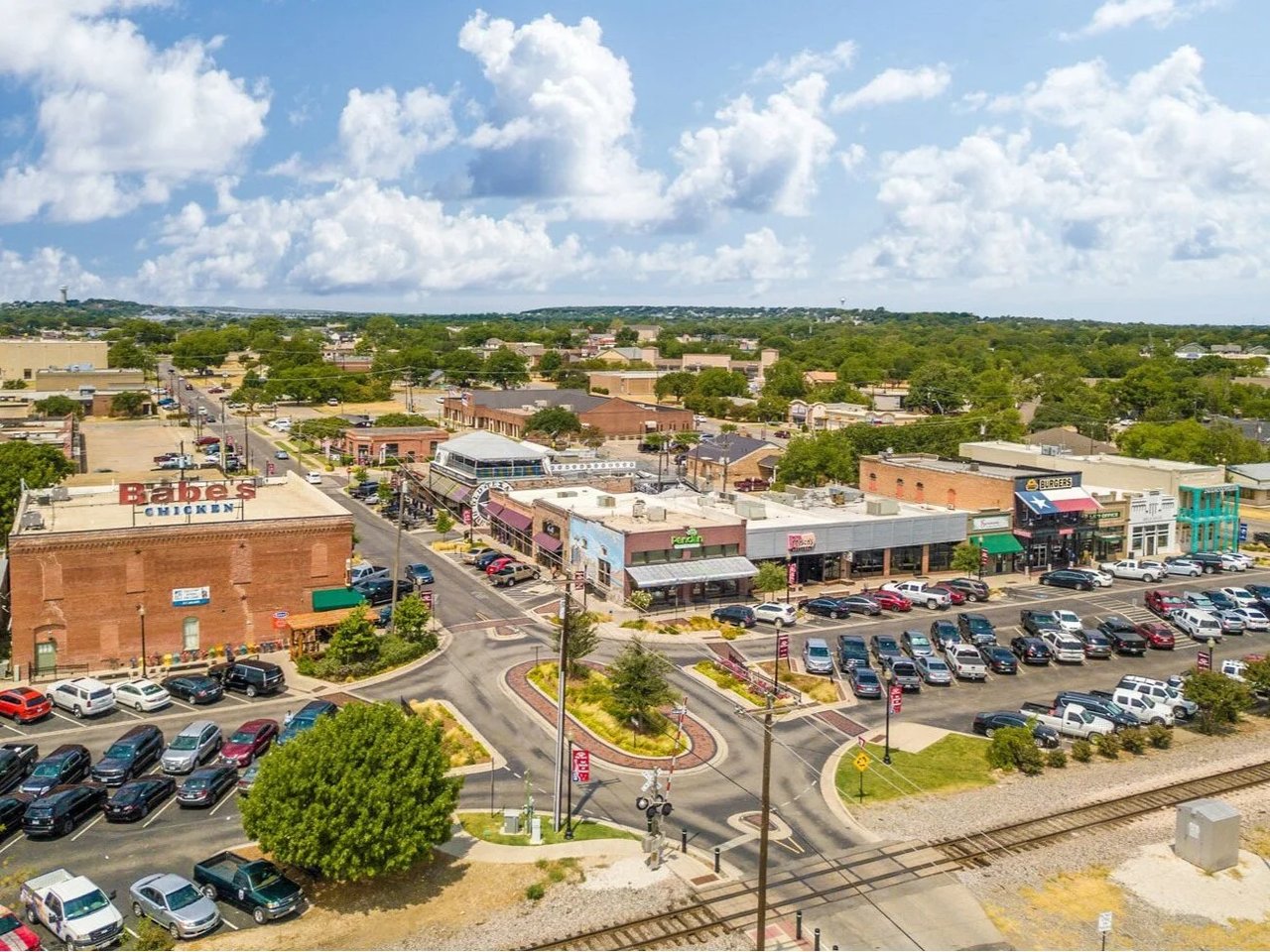
Known for its rich Texas heritage and modern growth, Tarrant County combines historic charm with contemporary living. Residents enjoy everything from cultural districts, entertainment venues, and professional sports to scenic parks, nature preserves, and welcoming neighborhoods. Whether someone prefers the excitement of city living, the convenience of suburban communities, or the quiet comfort of established residential areas, Tarrant County offers something for every stage of life.
The county is home to a wide variety of thriving cities and communities, each with its own character and appeal. Fort Worth delivers a vibrant downtown, renowned museums, dining, and entertainment. Arlington offers major attractions, universities, and employment centers. Communities such as Keller, Southlake, Colleyville, Grapevine, Mansfield, North Richland Hills, Hurst, Euless, Bedford, and many others provide highly desirable suburban living with strong schools, beautiful neighborhoods, and convenient access throughout the Metroplex.
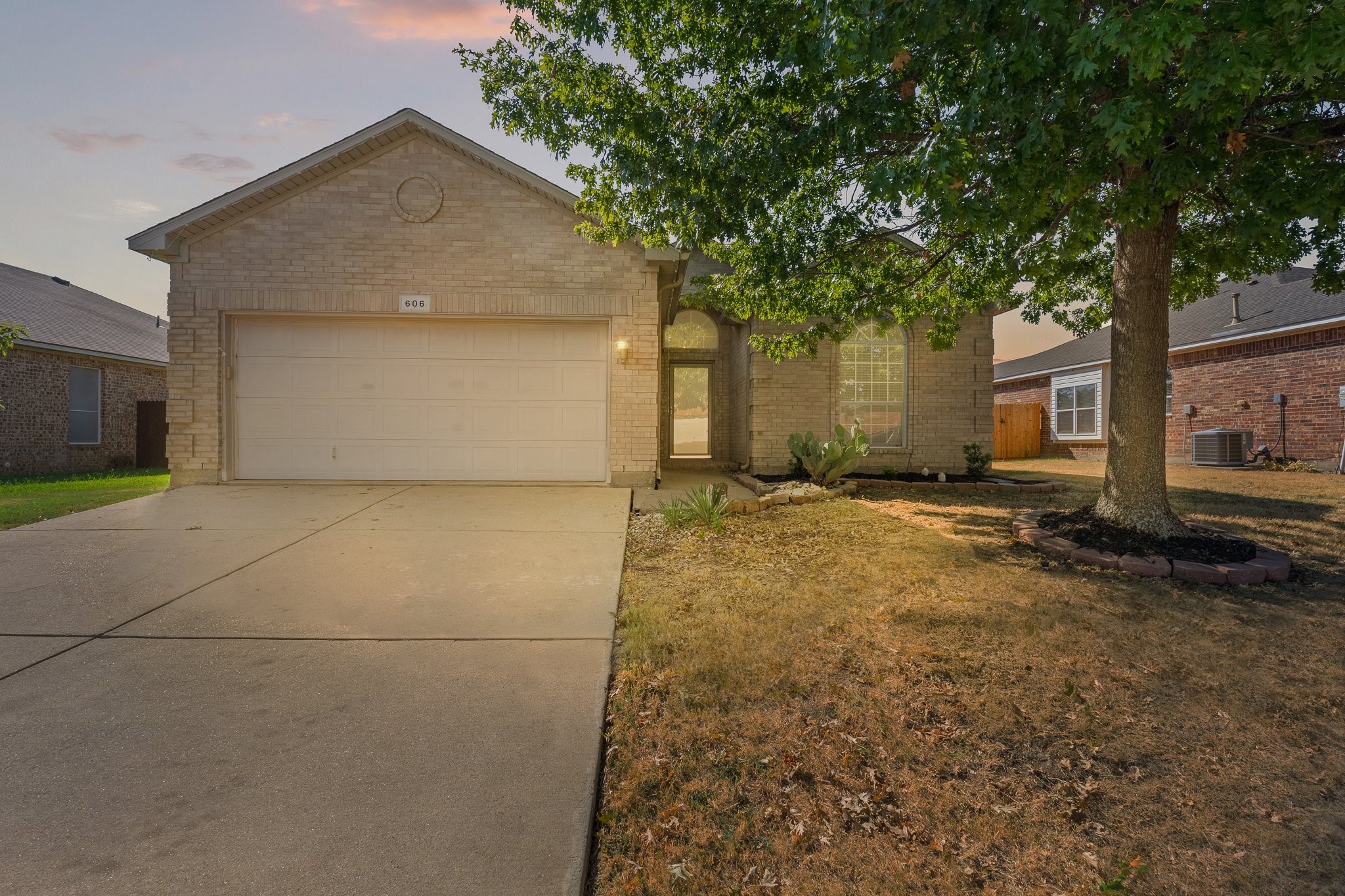
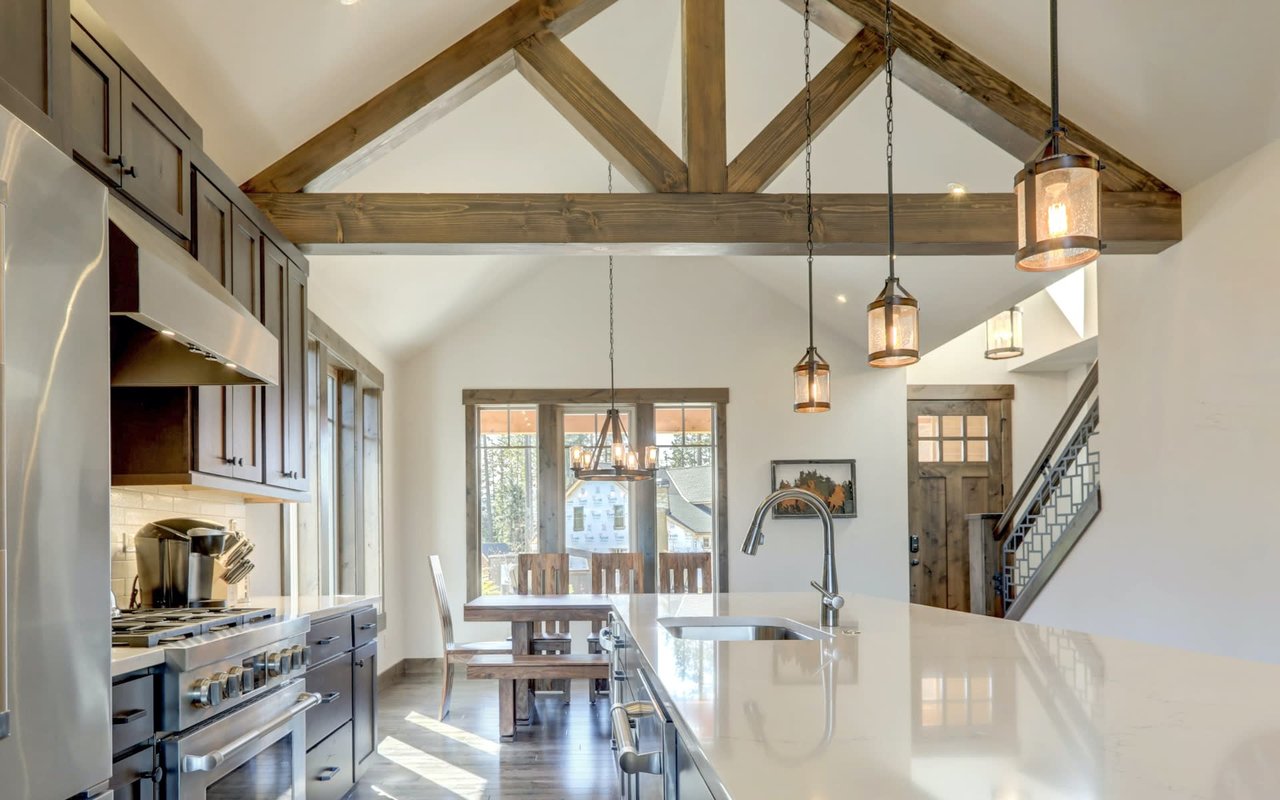
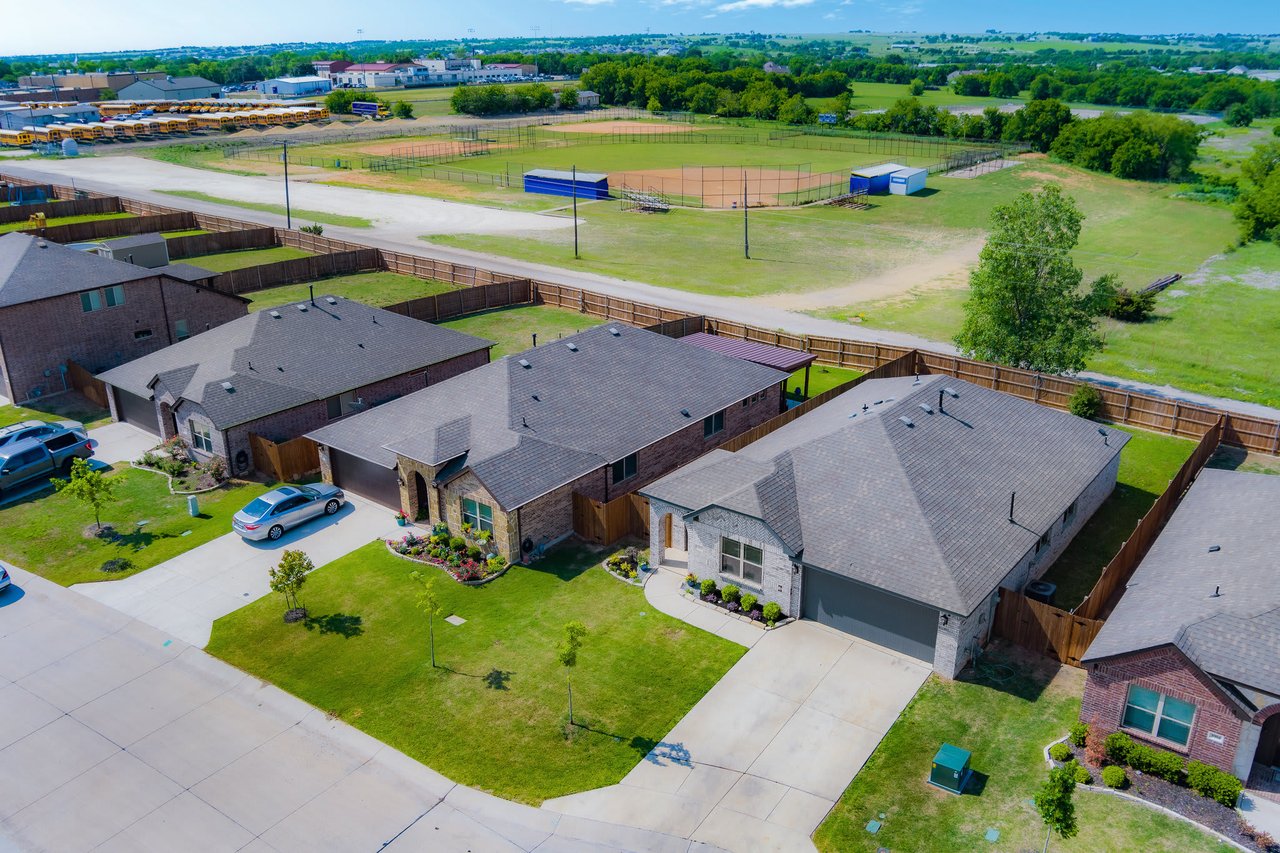
Tarrant County is especially attractive to homebuyers because of its diverse housing market. Buyers can choose from urban condos, historic homes, master-planned communities, luxury estates, new construction developments, and established neighborhoods with mature trees and strong community ties. The variety of housing options makes the county appealing to first-time buyers, growing families, professionals, and retirees alike.
Education, employment, and quality of life are key reasons many people choose to live in Tarrant County. The area offers access to respected school districts, major universities, expanding business hubs, and excellent healthcare systems. Convenient highway networks, public transportation options, and proximity to Dallas–Fort Worth International Airport make commuting and travel simple and efficient.
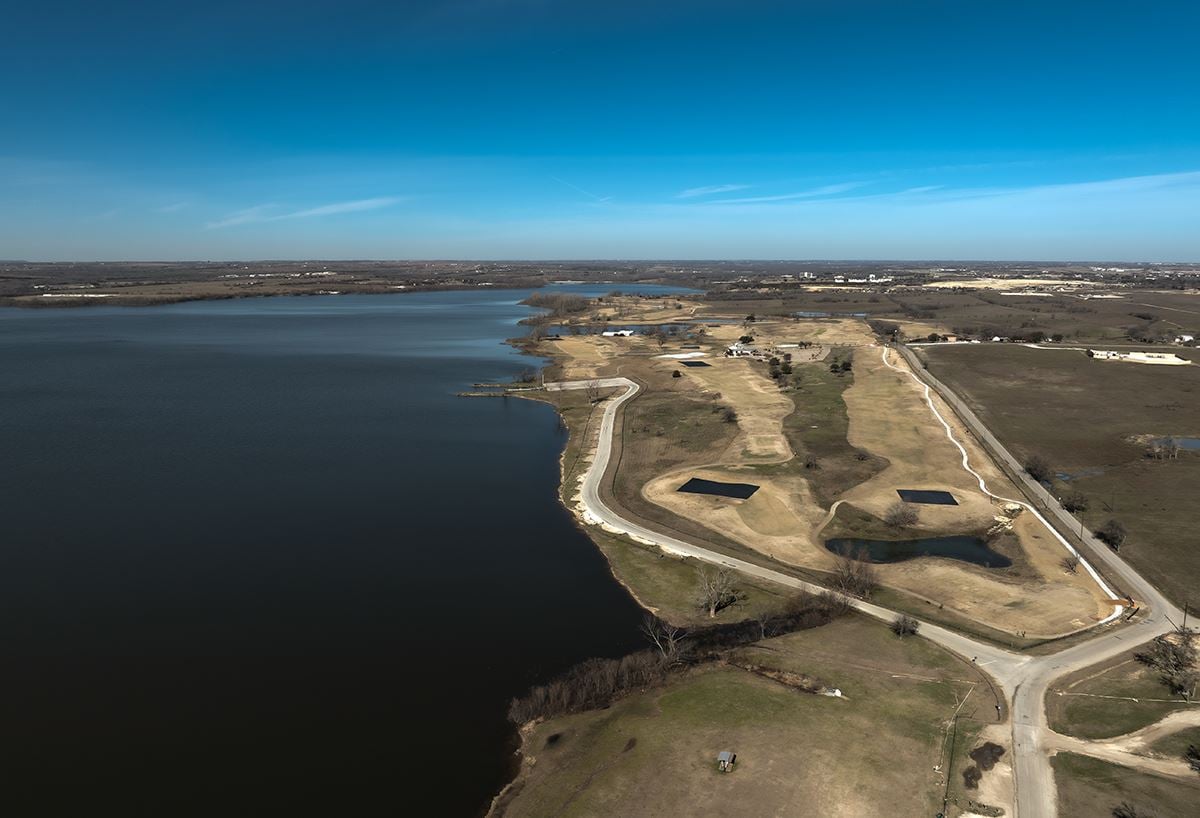
Outdoor recreation and community engagement are also central to life in Tarrant County. Residents enjoy hundreds of parks, walking and biking trails, lakes, sports complexes, and year-round events. From cultural festivals and farmers markets to concerts, rodeos, and sporting events, there is always something to experience.
Tarrant County delivers a lifestyle that balances opportunity, convenience, and community. With its strong economy, diverse housing, and unmatched location in the heart of North Texas, it continues to be one of the most sought-after places to live in the region.
Discover Tarrant County — where city excitement, suburban comfort, and Texas tradition come together.
Frequently Asked Questions About Tarrant County, Texas
Is Tarrant County, Texas a good place to live?
Yes. Tarrant County offers a strong economy, diverse housing options, excellent amenities, and convenient access to the entire Dallas–Fort Worth Metroplex. It provides a wide range of lifestyle choices from urban living to quiet suburban neighborhoods.
Where is Tarrant County located?
Tarrant County is located in North Texas and is a central part of the Dallas–Fort Worth metropolitan area. It is home to Fort Worth and borders Dallas County to the east.
What cities are in Tarrant County?
Tarrant County includes many cities such as Fort Worth, Arlington, Keller, Southlake, Grapevine, Mansfield, Colleyville, North Richland Hills, Hurst, Euless, Bedford, and several others.
How far is Tarrant County from Dallas?
Distance varies by location, but most areas in Tarrant County are about 20 to 40 miles from Dallas. Commute times typically range from 30 minutes to about an hour depending on traffic.
What types of homes are available in Tarrant County?
The county offers a wide range of housing, including downtown condos, suburban single-family homes, luxury estates, new construction communities, and established neighborhoods.
Is Tarrant County good for families?
Yes. Many families choose Tarrant County for its variety of school districts, parks, recreational programs, and family-oriented communities.
Why are people moving to Tarrant County?
People relocate to Tarrant County for employment opportunities, convenient location, diverse housing options, strong infrastructure, and the ability to enjoy both city and suburban lifestyles.
Does Tarrant County offer outdoor recreation?
Yes. Residents enjoy numerous parks, trails, lakes, golf courses, and outdoor spaces throughout the county, along with year-round events and activities.