Your Lake Granbury Living Guide Before You Move
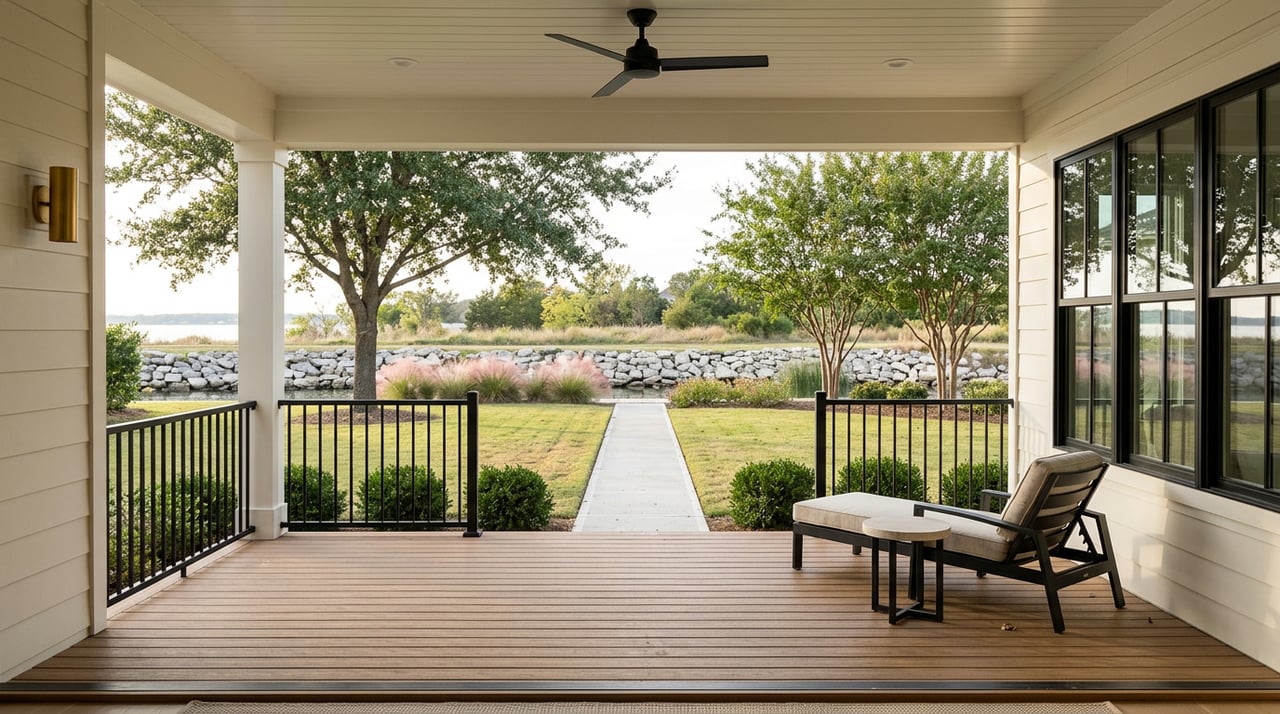
Picture quiet mornings on the water, quick sunset cruises, and a small-town square that feels like a weekend getaway. If you are thinking about a move to Lake Granbury, you probably want the best of both worlds: relaxed lake living and practical access to Fort Worth. In this guide, you will learn how life on and around the lake really works, from docks and flood zones to commutes, internet, and everyday costs. Let’s dive in.
Lake Granbury is a Brazos River reservoir created by DeCordova Bend Dam in 1969 and managed by the Brazos River Authority. According to the Texas Water Development Board, the conservation pool surface area is about 8,281 acres, while BRA material often cites roughly 7,900 to 8,000 acres. Shoreline estimates vary by source and method, commonly in the 103 to 121 mile range. Figures change with lake levels and data methods, so it is smart to treat them as ranges rather than absolutes. You can learn more from the Texas Water Development Board’s lake data and the Brazos River Authority.
Boating is the heartbeat of Lake Granbury. You will see pontoons, wake boats, and casual cruisers most spring through fall weekends, with the busiest days on holidays. If you prefer to skip private dock upkeep, you can rent or keep a slip at Lake Granbury Marina for convenient access to fuel, service, and on-water fun.
Fishing is popular too. Warmwater species like bass, crappie, and catfish are typical for Texas reservoirs. Always review species details and current rules on the Texas Parks and Wildlife Department’s Lake Granbury page.
Off the water, Granbury’s historic square offers restaurants, shops, theater, and frequent events that draw locals and visitors. For schedules and city services, check the City of Granbury’s official site.
You will see several distinct property types around Lake Granbury:
County-level pricing moves with the market, but a helpful benchmark is this: Hood County’s median home price is in the mid-$300Ks. For example, the county overview on Realtor.com recently reported about $367,000 as a median list price (accessed March 2026). Lakefront and main-lake estates can exceed $800,000 to $1 million depending on location, frontage, and finishes. Always check live listings for a current snapshot before you set a target budget.
From Lake Granbury-area neighborhoods to central Fort Worth, the drive is commonly about 45 to 60 minutes depending on traffic and exact starting point. US‑377 is the most direct corridor. If you plan to commute, test the route during your typical peak times to set realistic expectations.
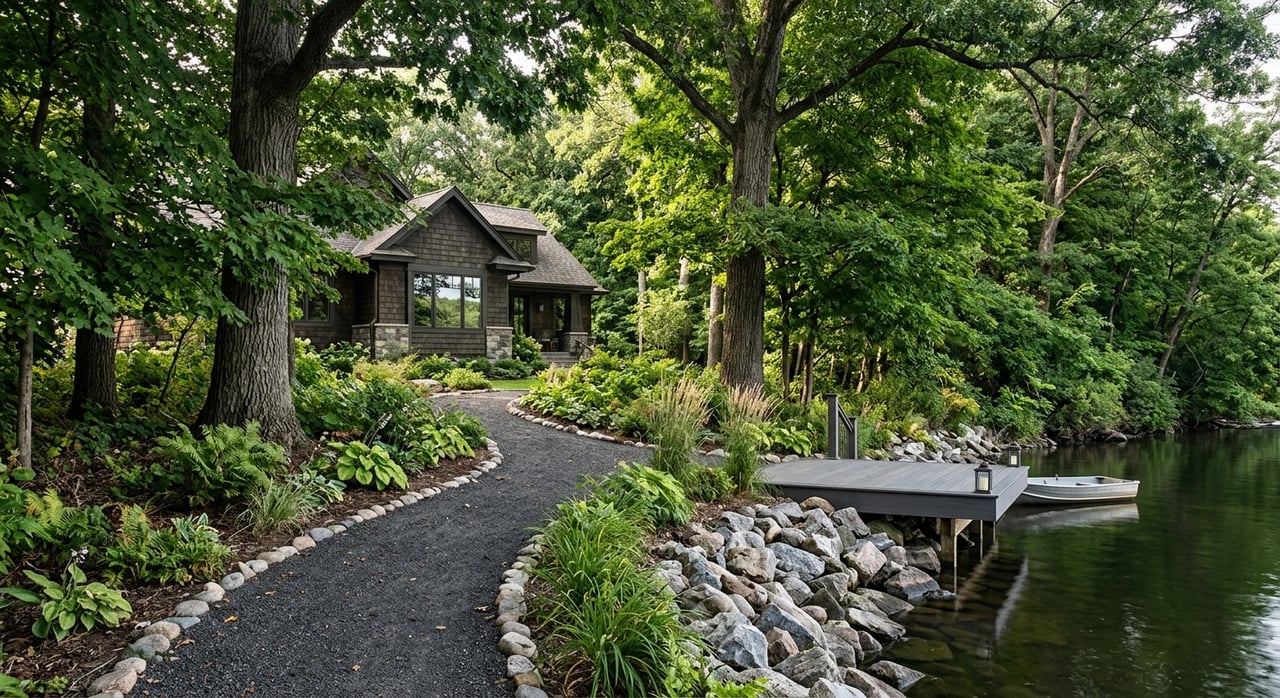
Not every waterfront lot allows a private dock, and not every existing dock is in compliance. The Brazos River Authority manages Lake Granbury’s lakebed and shoreline rules. Docks, dredging, shoreline stabilization, and irrigation pumps typically require BRA permits. If a property has a dock, look for the BRA permit plate and verify the permit can transfer. If you plan to add or modify a dock, review the BRA application, rules, and any seasonal work restrictions on the BRA’s Living Lakeside and lake rules pages.
Flood zones are parcel specific. Some lake-adjacent lots are in FEMA Special Flood Hazard Areas, and lenders often require flood insurance for those. Before you write an offer, look up the property using FEMA’s Map Service Center and talk with your lender and insurer about coverage and any needed elevation certificates. Start with the City of Granbury’s official site for local floodplain information and FEMA links.
Many lake-area homes use on-site sewage systems. Hood County oversees septic (OSSF) permits and records for Lake Granbury addresses. As part of your due diligence, request septic permits, maintenance history, and inspection records, and schedule an inspection.
Utility providers vary by address. Some homes are on city water and sewer, while others use a private well and septic. Ask for recent utility bills to understand typical costs. For internet, Spectrum and AT&T are common in and near Granbury, while fixed wireless or satellite can fill gaps in rural spots. Coverage changes block by block, so confirm speeds at the street address using an address-level broadband availability checker.
Texas property taxes are assessed annually and set by overlapping jurisdictions such as county, city, school district, and special districts. Rates change year to year. For current numbers or questions about exemptions and valuations, contact the Hood County appraisal and tax offices directly.
Many lakeside neighborhoods have HOAs or POAs with rules for docks, short-term rentals, architectural controls, transfer or initiation fees, and shared amenities. Request the full document set early so you can plan for rules and fees. Zoning and ordinances also depend on location. Property inside Granbury city limits follows municipal rules, while much of the county is unincorporated with more limited land-use controls. Confirm where the lot sits before you decide on uses or future additions.
Granbury ISD serves the city and many lake-area neighborhoods. Attendance zones can shift, so always confirm school assignments for the exact address with the district before you rely on them.
For healthcare access, residents have a nearby acute-care hospital at Lake Granbury Medical Center, plus clinics and specialists in town. For advanced specialty care, you are within driving distance of the larger Fort Worth and Dallas systems.
Local crime metrics vary by neighborhood and change over time. If safety is a top priority in your decision, review current statistics with the Granbury Police Department and public FBI datasets.
Expect typical Texas lakeside wildlife and pests, including mosquitoes and occasional snakes. During summer, monitor lake-health and swimming advisories. The BRA and Texas Parks and Wildlife publish guidance when conditions change.
Waterfront living comes with extras you should plan for in your budget:
Set aside a reserve for routine work and double-check that any past or planned shoreline projects have the required permits.
If you want relaxed waterfront living with a lively small-town core and workable access to Fort Worth, Lake Granbury deserves a spot on your shortlist. The trade-off is straightforward: incredible water access and views in exchange for added due diligence, dock and shoreline maintenance, and thoughtful planning around flood zones, permits, and utilities. With the right guidance, you can shop confidently and find a property that fits your lifestyle and budget.
If you are ready to explore Lake Granbury homes or want a second set of eyes on a specific listing, reach out to Michelle Martin for local, concierge-style advice and a step-by-step plan tailored to your move.
Stay up to date on the latest real estate trends.
For more than 30 years we have dedicated 150% to providing exceptional customer service with great care, diligence, and compassion. One of our main goals is to make your process as enjoyable and seamless as possible.